Introduction to Ramayana
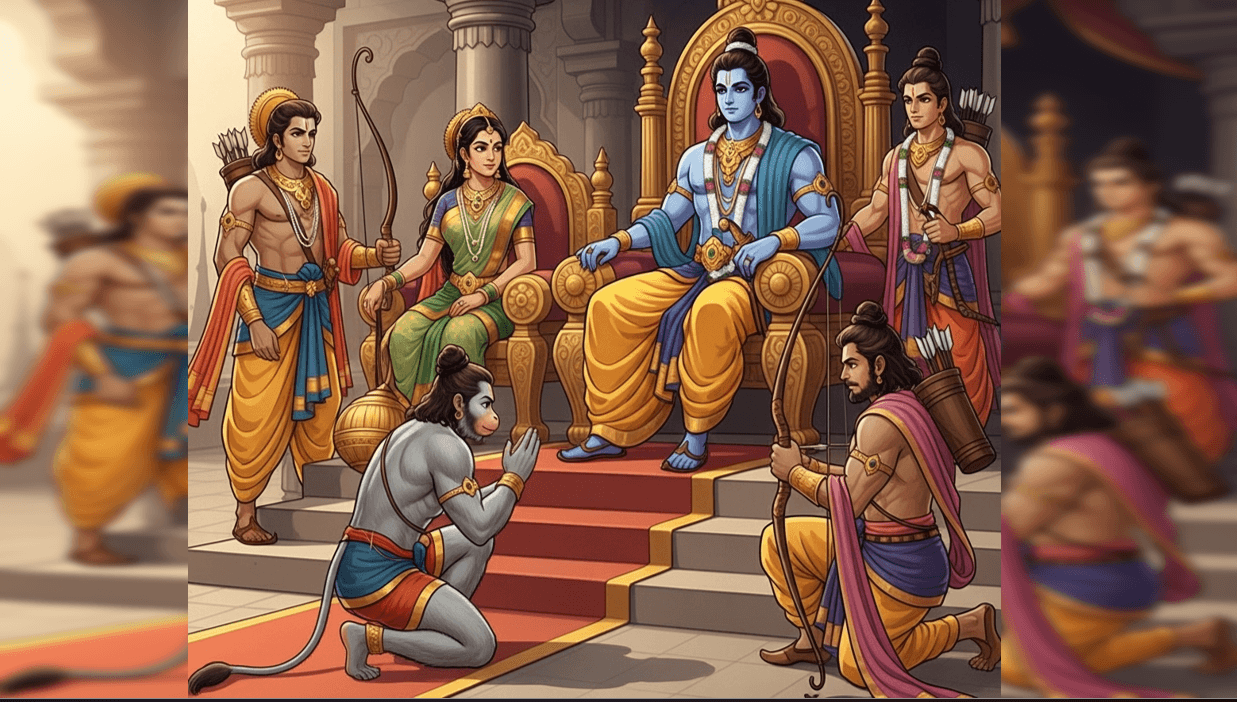
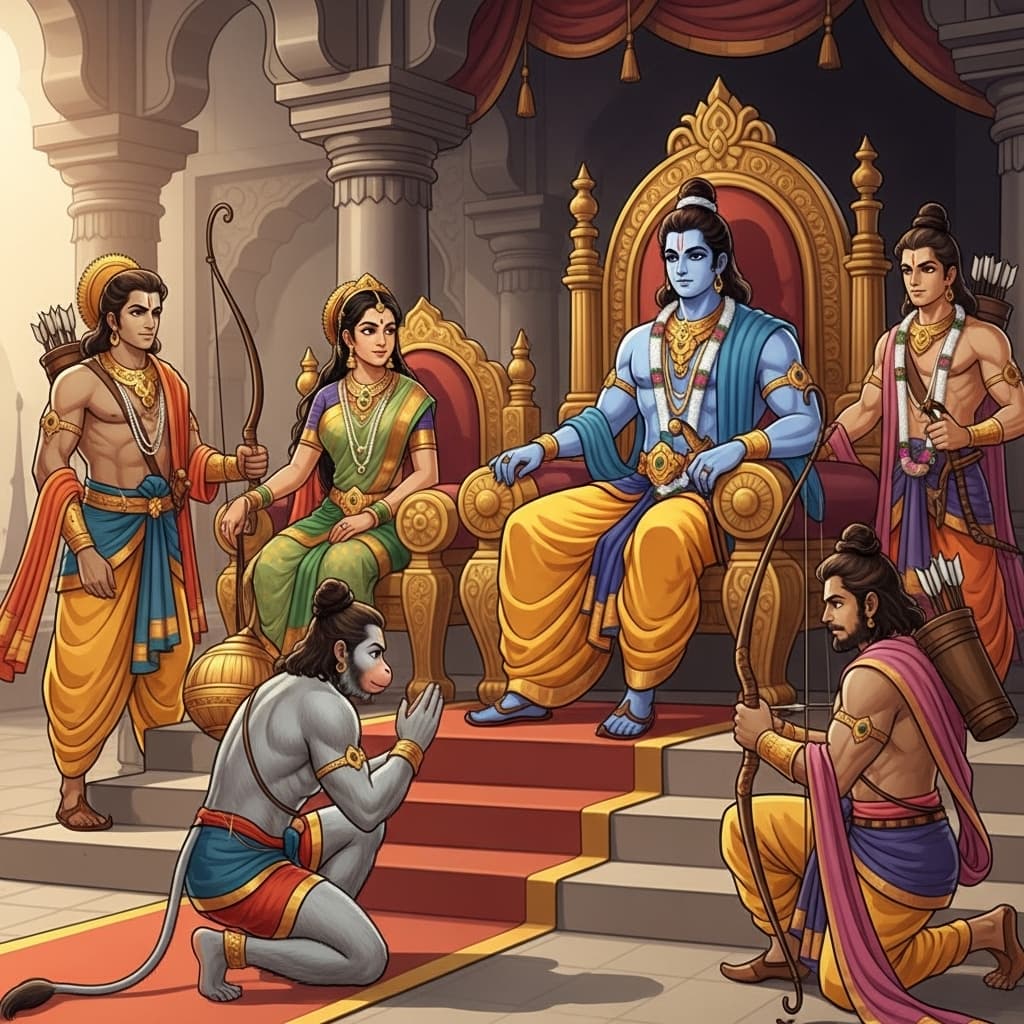
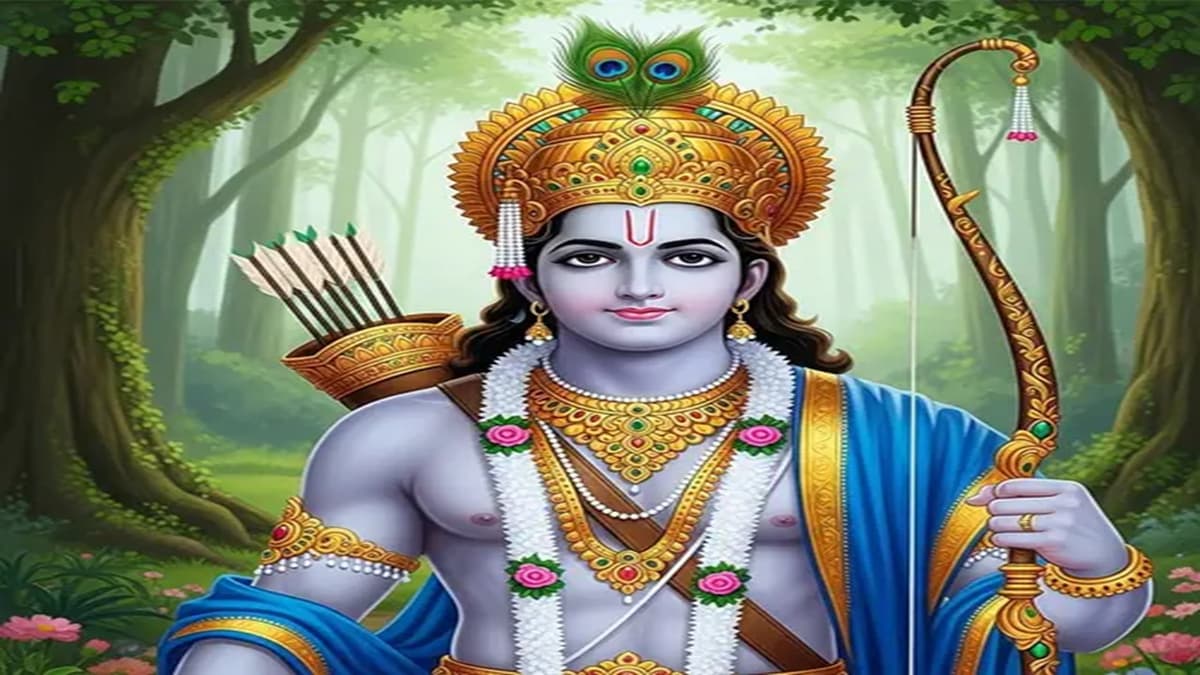
The Ramayan is one of the most loved epics of India. Written by sage Valmiki, it tells the story of Lord Rama, his wife Sita, and his brother Lakshmana. The epic has seven parts and about 24,000 verses. It begins with Rama's birth in Ayodhya, his marriage to Sita, and later his exile to the forest. The story follows Sita's capture by Ravana, the king of Lanka, and Rama's journey with Hanuman and the Vanara army to rescue her. In the end, Rama defeats Ravana and returns to Ayodhya to rule with justice and kindness. The Ramayan teaches lessons of duty, love, sacrifice, and the victory of good over evil.
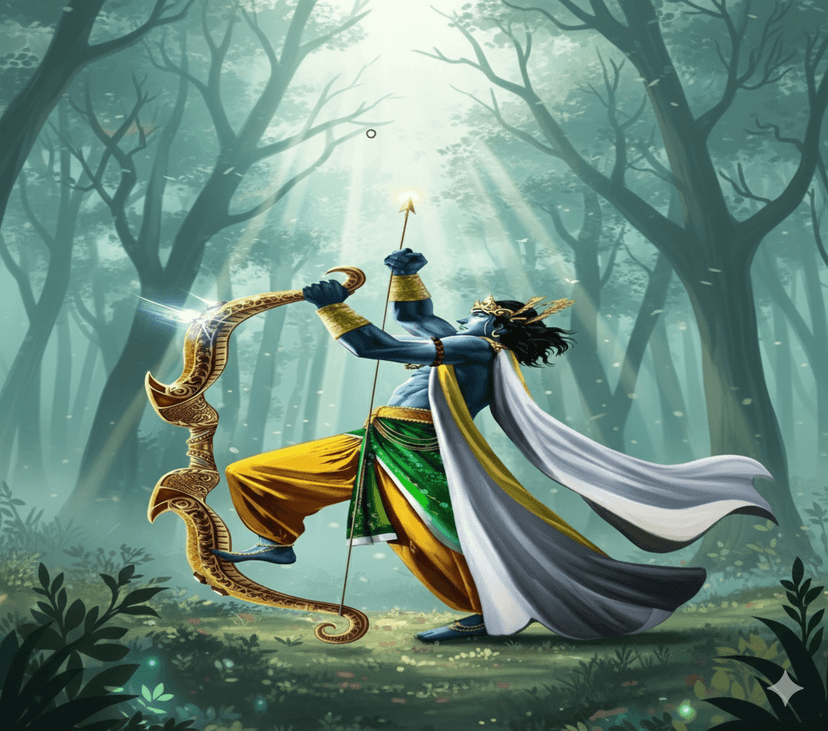
🏹 Bala Kanda - The Beginning
Bala Kanda narrates the auspicious birth of Rama in Ayodhya after King Dasharatha performs a sacred yajna seeking sons. It portrays Rama's disciplined childhood, his training in dharma, archery, and scriptures under sage Vishwamitra, and his early acts of compassion and valor. The redemption of Ahalya reflects Rama's divine grace, while Sita's swayamvar highlights his unmatched strength as he breaks Shiva's bow. This kanda sets the foundation of the Ramayan, presenting Rama as the embodiment of virtue, courage, and divine purpose. It emphasizes how destiny and dharma guide his journey, establishing the moral framework for the epic's unfolding story.
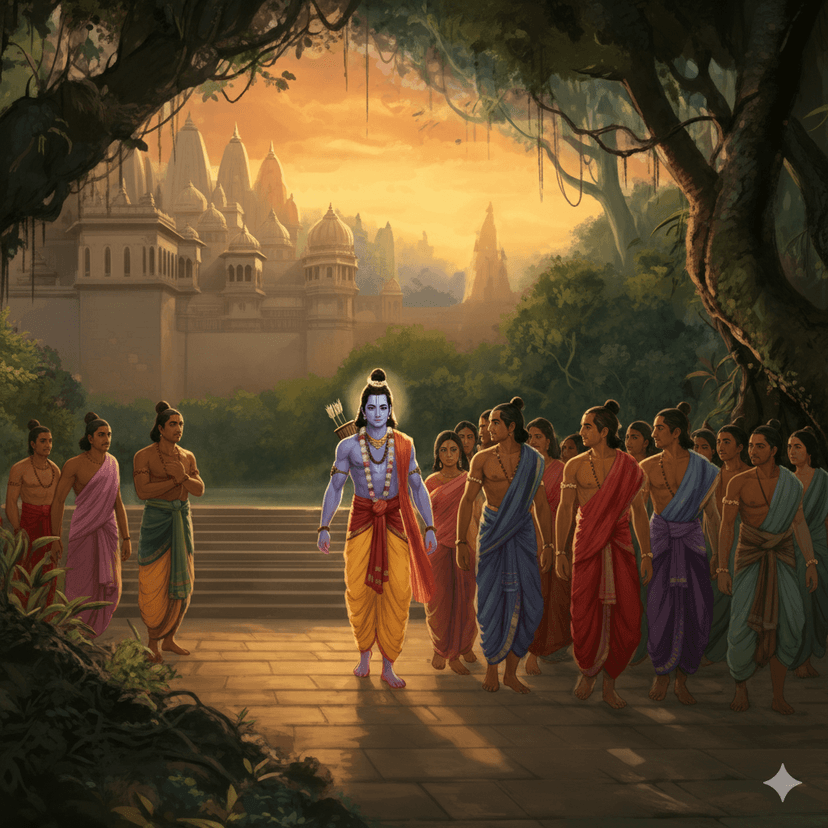
👣 Ayodhya Kanda - The Exile Begins
Ayodhya Kanda unfolds the palace drama where Queen Kaikeyi, swayed by Manthara, demands Rama's exile and Bharata's coronation. Rama accepts with serenity, embodying dharma, while Sita and Lakshmana accompany him in devotion and sacrifice. Bharata, though offered the throne, refuses to rule and instead places Rama's sandals on Ayodhya's throne, symbolizing loyalty and humility. This kanda highlights the pain of separation, the strength of familial bonds, and moral dilemmas that test righteousness. It emphasizes the clash between personal desires and duty, making it one of the epic's most poignant sections.
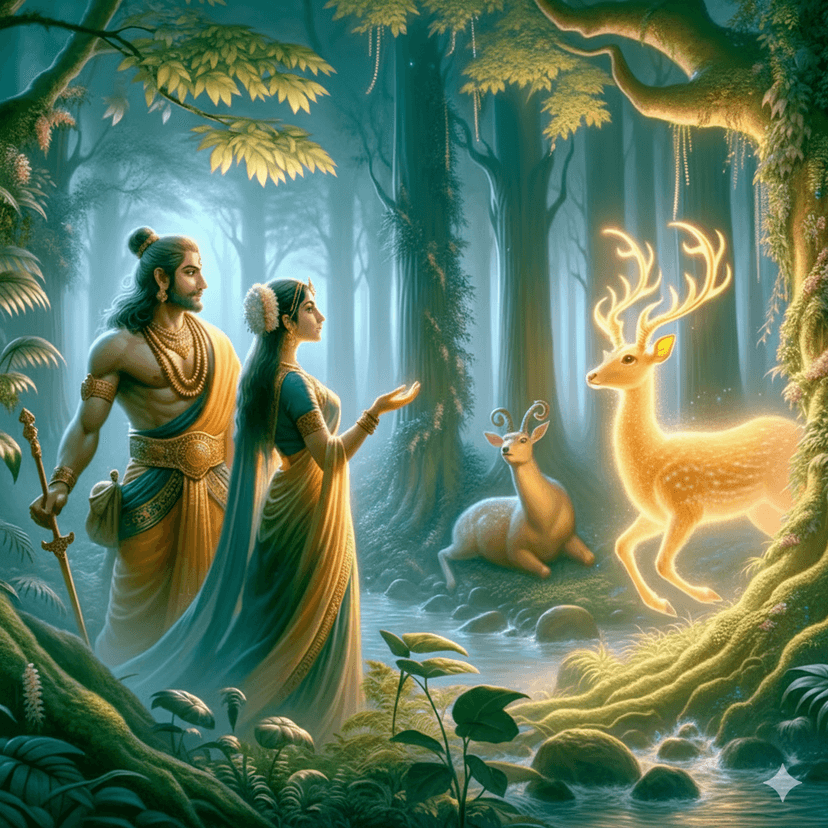
🦅 Aranya Kanda - Trials in the Forest
Aranya Kanda depicts the forest life of Rama, Sita, and Lakshmana in Panchavati, where they embrace simplicity and spiritual living. Their exile is disrupted by Shurpanakha's advances, sparking conflict with Ravana's kin. Maricha, disguised as a golden deer, lures Rama away, allowing Ravana to abduct Sita. Jatayu, the noble bird, sacrifices his life in loyalty and courage. This kanda explores temptation, deception, and the consequences of desire, showing how one act can change destiny. It deepens the epic by highlighting life's fragility and the trials faced in pursuit of dharma
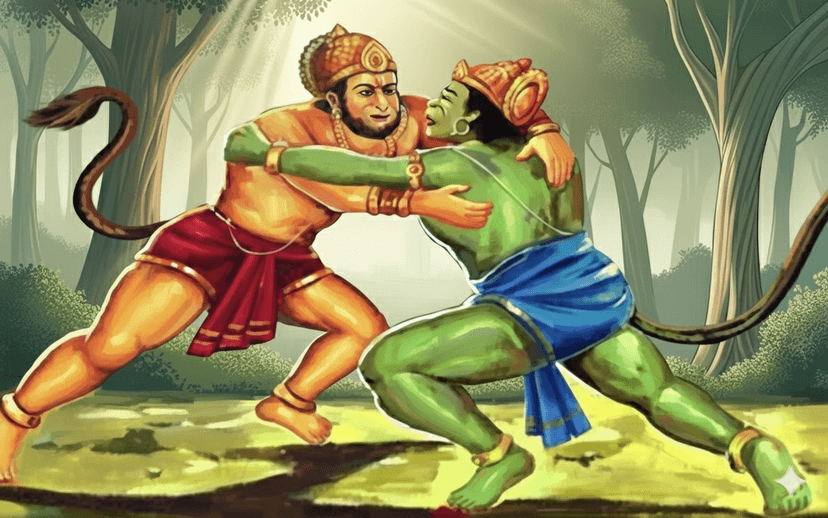
🤝 Kishkindha Kanda - Alliance with Sugriva
Kishkindha Kanda recounts Rama's alliance with Sugriva, the exiled Vanara king, whom he helps defeat Vali to reclaim his throne. In gratitude, Sugriva pledges support in the search for Sita. Hanuman emerges as Rama's most devoted servant, embodying strength, humility, and loyalty. This kanda highlights the importance of alliances, trust, and friendship in overcoming adversity, while showcasing the unity of humans and Vanaras in pursuit of justice. It sets the stage for Sita's search, emphasizing cooperation, strategy, and faith in achieving seemingly impossible goals.
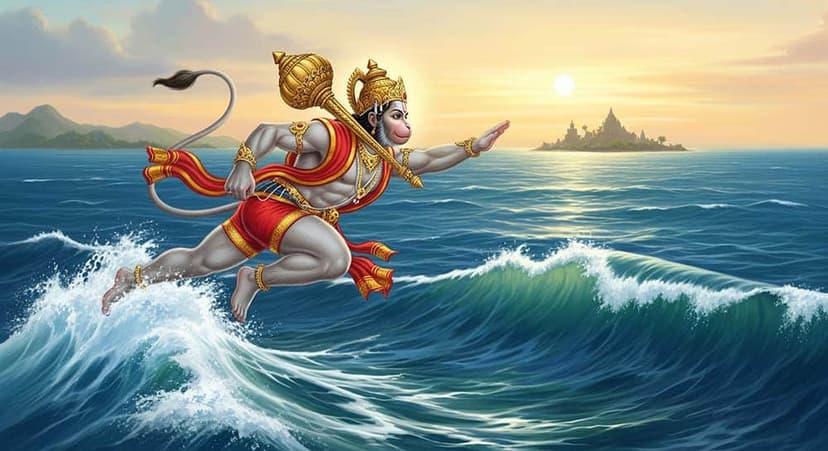
💨 Sundara Kanda - Hanuman's Journey
Sundara Kanda, the most celebrated part of the Ramayan, recounts Hanuman's leap across the ocean to Lanka. He finds Sita in Ashok Vatika, consoles her with Rama's message, and displays unmatched strength by burning parts of Lanka before returning. His journey symbolizes courage, devotion, and faith overcoming obstacles. Often recited for strength and hope, this kanda serves as a spiritual guide for millions. Its focus on perseverance, loyalty, and divine grace makes it the heart of the epic.
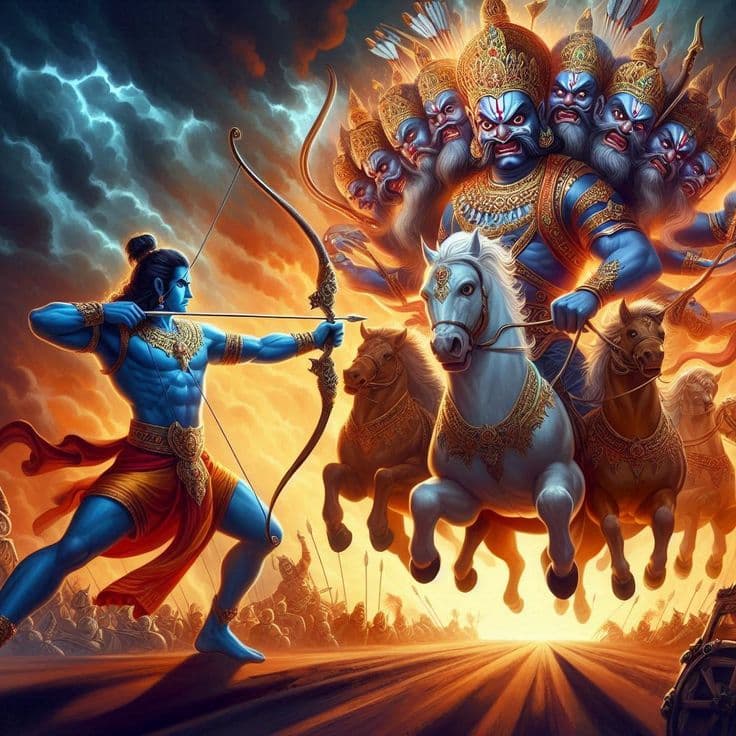
🗡️ Yuddha Kanda - The Great War
Yuddha Kanda narrates the epic battle between Rama's Vanara army and Ravana's forces. The Vanaras build a bridge to Lanka, symbolizing determination and teamwork. Fierce clashes follow: Indrajit, Kumbhakarna, and other warriors fall before Rama finally slays Ravana, restoring dharma. Sita is rescued, though her purity is tested, reflecting societal challenges. This kanda embodies the triumph of good over evil, the fulfillment of vows, and the victory of righteousness. It also reveals the complexities of war, sacrifices made, and the emotional toll, reminding that even victory carries loss.
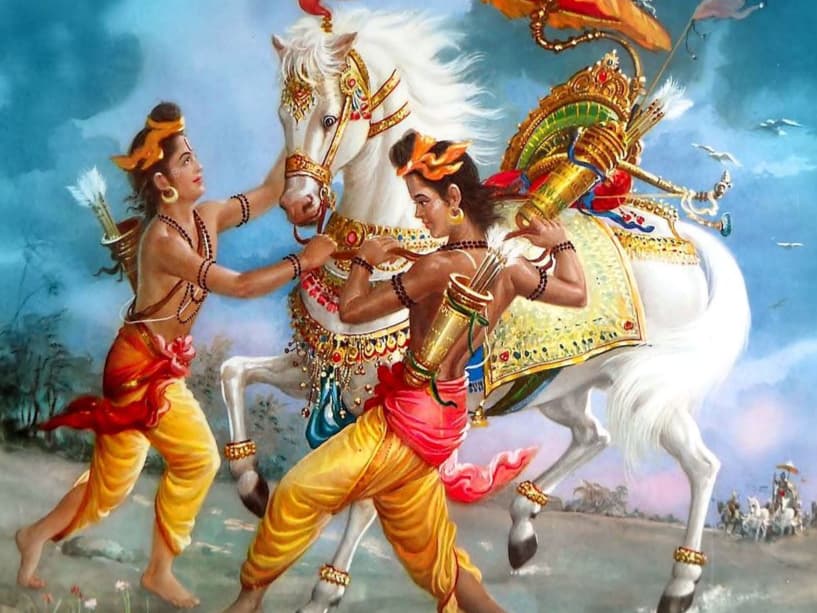
📜 Uttara Kanda - Aftermath and Ram Rajya
Uttara Kanda portrays Rama's reign in Ayodhya, celebrated as Ram Rajya, where justice, prosperity, and peace prevail. Yet doubts about Sita's purity force her into exile at Valmiki's ashram, where she gives birth to Lava and Kusha. Their confrontation with Rama's army and eventual reunion with their father adds emotional depth. The epic concludes with Rama's departure from the mortal world, symbolizing the eternal legacy of dharma, sacrifice, and ideal governance. This kanda highlights the challenges of leadership, the burden of public opinion, and the sacrifices demanded by dharma, affirming that true greatness lies in upholding righteousness.
- Rama
- Sita
- Lakshmana
- Bharata
- Shatrughna
- Hanuman
- Ravana
- Vibhishana
- Sugriva
- Vali
- Jatayu
- Indrajit
- Rama
- Sita
- Lakshmana
- Bharata
- Shatrughna
- Hanuman
- Ravana
- Vibhishana
- Sugriva
- Vali
- Jatayu
- Indrajit
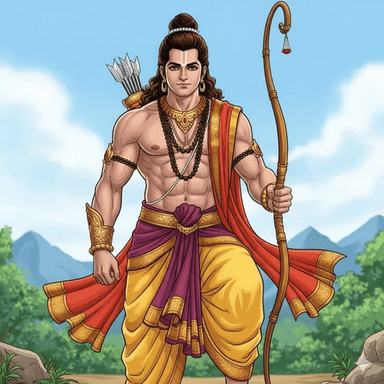
Ram
Upholder of Dharma
Ideal King & Son
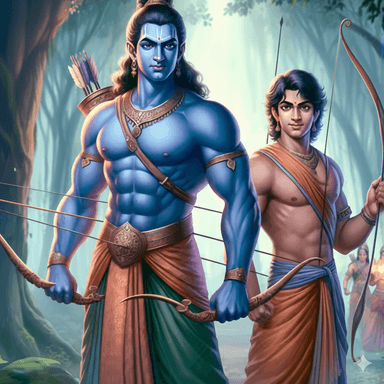
Lakshman
Protective Brother
Faithful Companion
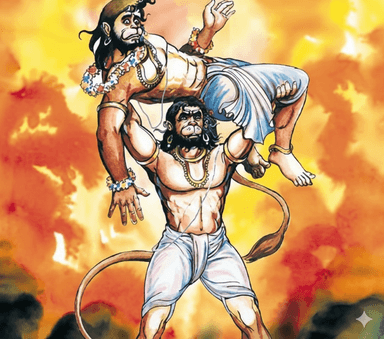
Sugriv
Loyal Friend
Vanara King
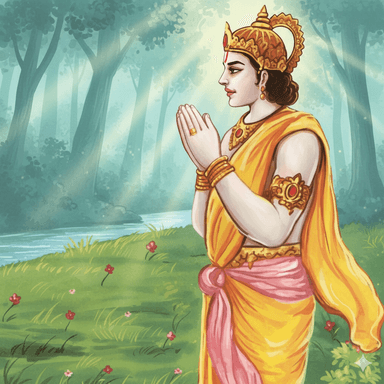
Shatrughan
Supportive Brother
Quiet Strength
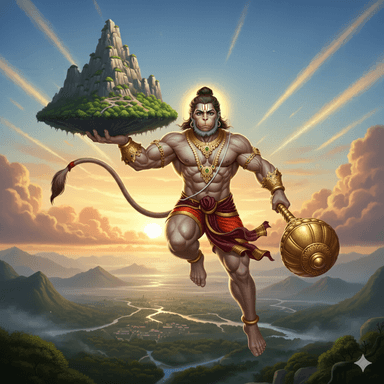
Hanuman
Devoted Servant
Fearless Warrior
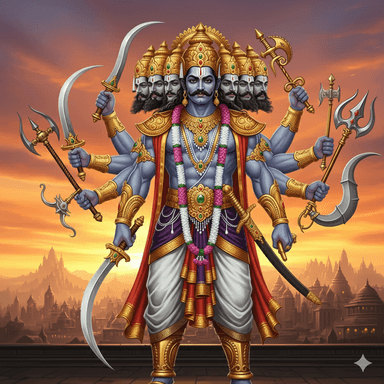
Ravan
Mighty King of Lanka
Trapped by Ego
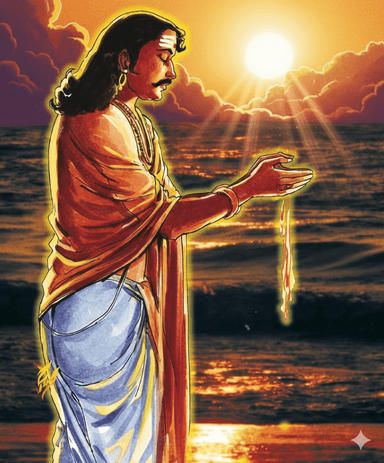
Vibhishan
Voice of Wisdom
Ally of Dharma
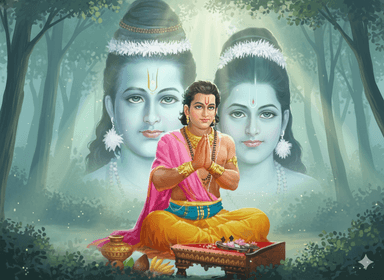
Bharat
Selfless Ruler
Devoted to Rama
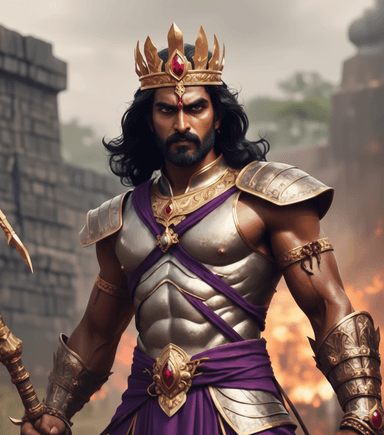
Indrajit
Skilled Warrior
Devoted Son of Ravana
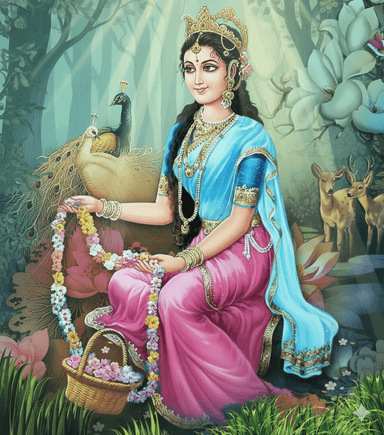
Sita
Symbol of Purity
Devoted Wife
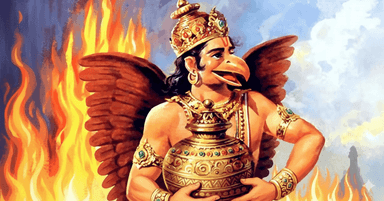
Garuda
Divine Protector
Vehicle of Vishnu
Ram
Upholder of Dharma
Ideal King & Son
Lakshman
Protective Brother
Faithful Companion
Sugriv
Loyal Friend
Vanara King
Shatrughan
Supportive Brother
Quiet Strength
Hanuman
Devoted Servant
Fearless Warrior
Ravan
Mighty King of Lanka
Trapped by Ego
Vibhishan
Voice of Wisdom
Ally of Dharma
Bharat
Selfless Ruler
Devoted to Rama
Indrajit
Skilled Warrior
Devoted Son of Ravana
Sita
Symbol of Purity
Devoted Wife
Garuda
Divine Protector
Vehicle of Vishnu
Sacred Geography of Ramayan
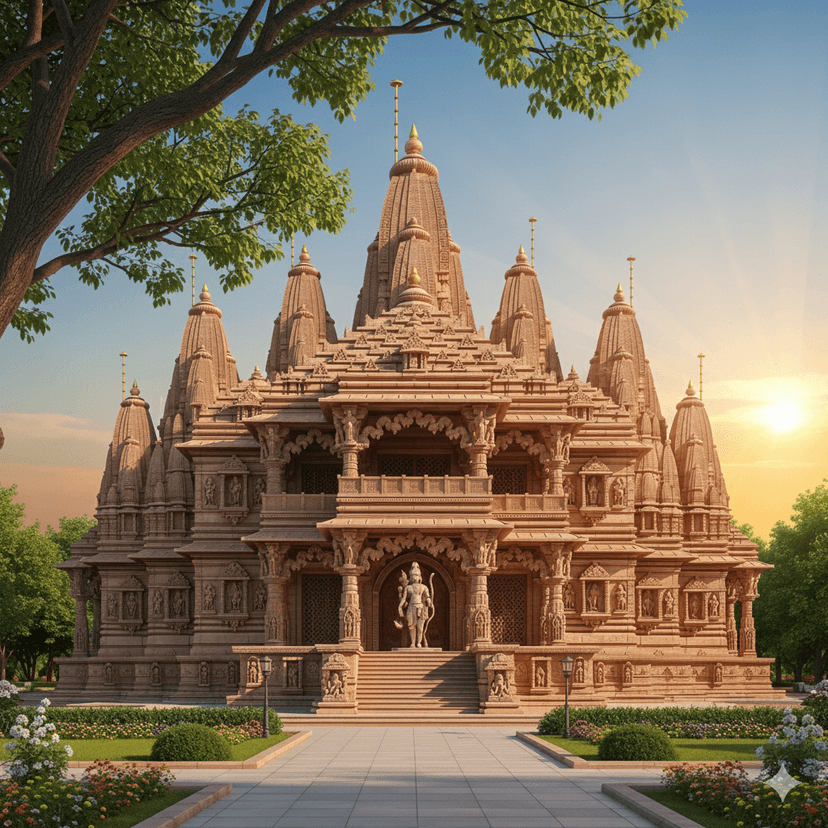
🏰 Ayodhya
Birthplace of Rama
Ayodhya is the holy city where Lord Rama was born to King Dasharatha after the Putrakameshti yajna. It is described as a land of peace, prosperity, and dharma. The city became the center of Ram Rajya, an ideal kingdom where truth and justice guided every decision. Ayodhya is not just a place of birth, but a symbol of hope and righteousness that continues to inspire people even today.
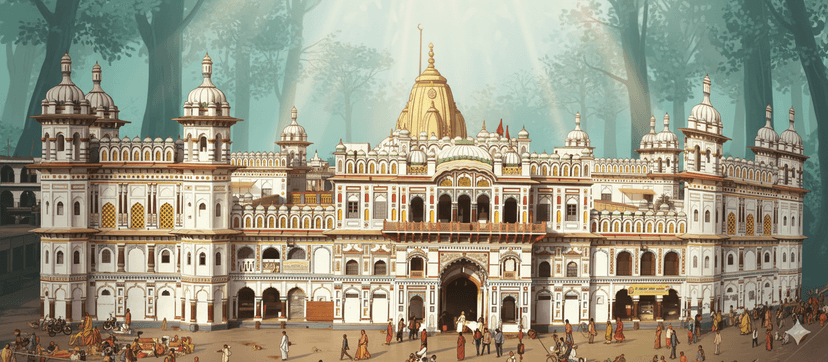
🌼 Mithila
Sita's Swayamvar
Mithila is remembered as the land of King Janaka, where Sita's swayamvar was held. Rama, with divine strength and humility, broke Lord Shiva's mighty bow to win Sita's hand in marriage. This event was not only a union of two noble souls but also a moment that showed how virtue and devotion triumph over pride. Mithila stands as a symbol of love, destiny, and the blessings of dharma.
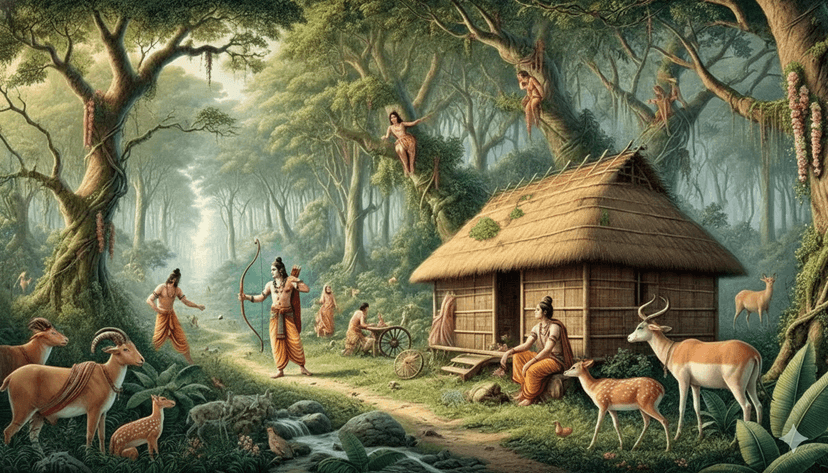
🌳 Panchavati
Forest Exile
Panchavati was the forest home of Rama, Sita, and Lakshmana during their years of exile. It was here that Shurpanakha's encounter led to conflict, Maricha appeared as the golden deer, and Ravana abducted Sita. Jatayu, the noble bird, gave his life trying to protect her. Panchavati represents struggle, sacrifice, and the turning point where the story moves from peace to battle.
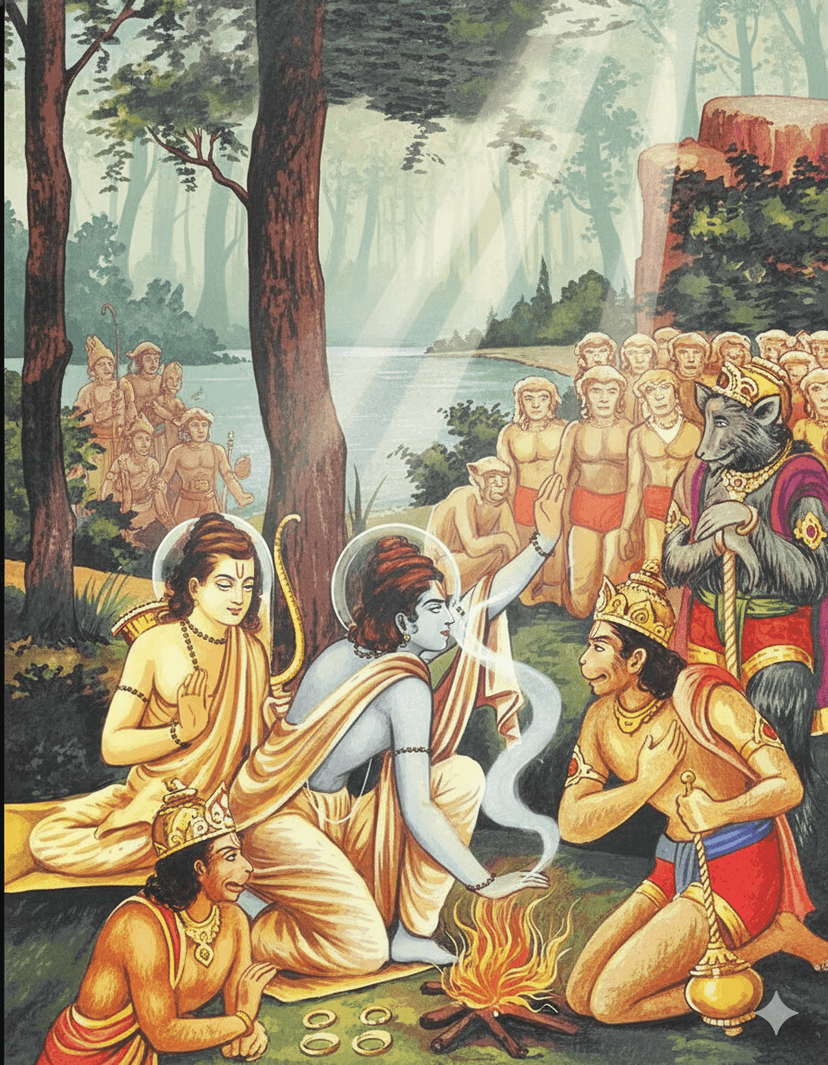
🐒 Kishkindha
Sugriva Alliance
Kishkindha is the kingdom of the Vanaras where Rama formed a bond of friendship with Sugriva. By defeating Vali, Rama helped Sugriva regain his throne, and in return, Sugriva promised to aid in the search for Sita. Kishkindha highlights the importance of alliances, loyalty, and the strength that comes when friends unite for a noble cause.
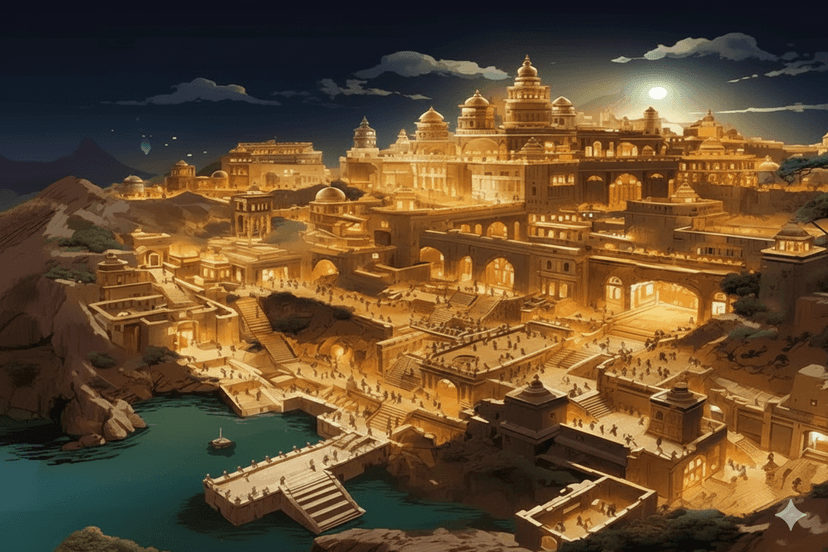
🏰 Lanka
Ravana's Kingdom
Golden Lanka, ruled by Ravana, was a city of wealth, brilliance, and power. Yet, despite its grandeur, it became the stage for arrogance and downfall. Ravana's ego blinded him, leading to the great war against Rama. Lanka symbolizes how pride and greed can destroy even the most prosperous kingdoms, while dharma always finds victory.
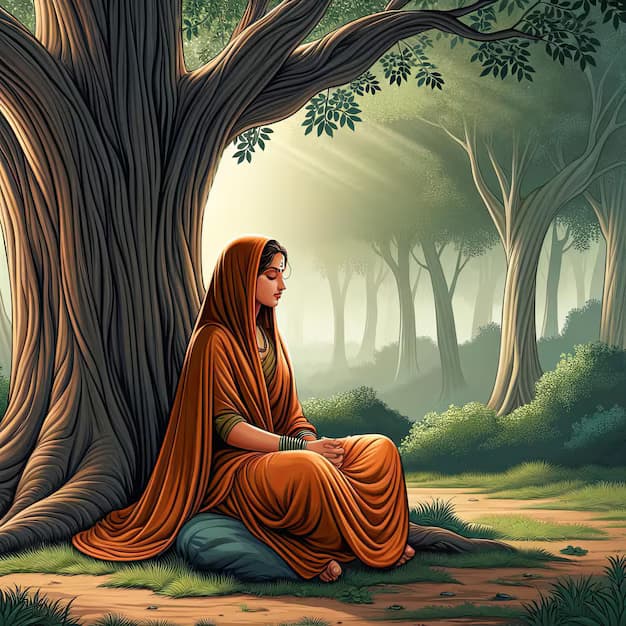
🌺 Ashok Vatika
Sita's Captivity
Ashok Vatika was the garden in Lanka where Sita was kept captive by Ravana. Despite fear and hardship, Sita remained firm in her devotion to Rama and her faith in dharma. Her courage and purity turned this place into a symbol of strength, resilience, and the power of inner faith. Ashok Vatika reminds us that true devotion can withstand even the darkest trials.
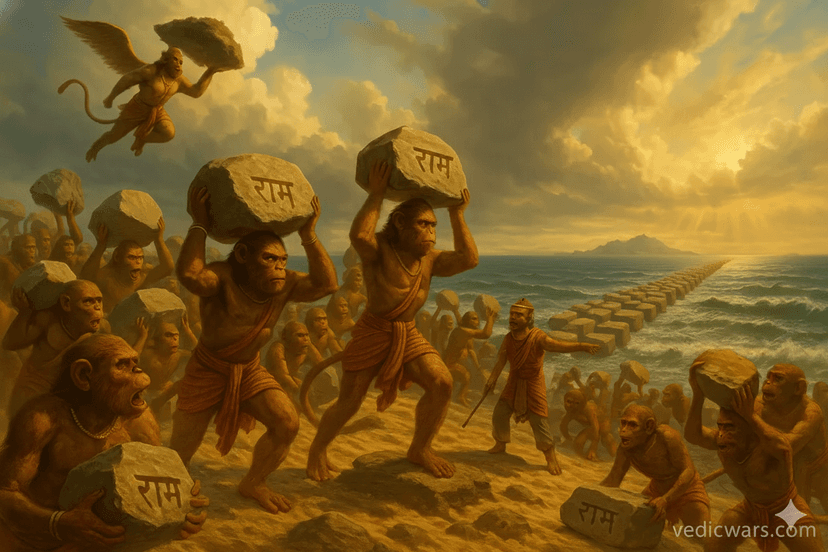
🌊 Rameshwaram
Setubandh Bridge
At Rameshwaram, Rama and the Vanara army built the legendary stone bridge across the ocean to reach Lanka. This incredible feat showed the power of unity, teamwork, and divine guidance. The Setubandh bridge is remembered as a miracle of faith and determination, proving that when people come together for a righteous cause, even the impossible becomes possible.
Sacred Shlokas of the Ramayana
Rama's Leadership & Justice
न त्वहं कामये राज्यं न स्वर्गं न पुनर्भवम्। कामये यत्र रामोऽस्ति तत्र मे स्वस्ति मङ्गलम्॥
Meaning: The people of Ayodhya declare — “We do not desire kingdom, heaven, or liberation. Our only wish is to be where Rama is, for that alone brings us peace and prosperity.”